
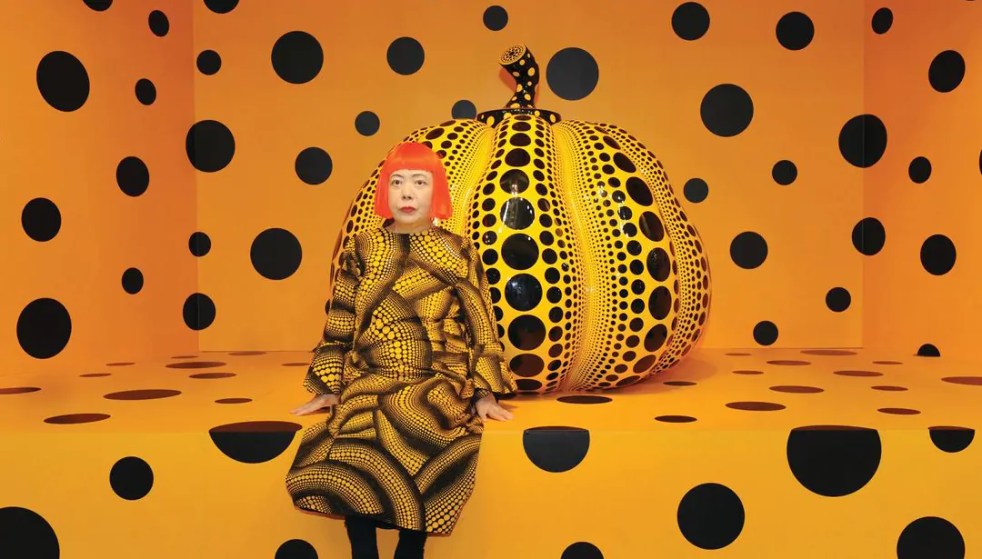
The Light of Their World
Leo had always been the golden boy. Privileged, educated, impeccably dressed, he was the face of entitlement wrapped in charm. Yet beneath his polished exterior was a truth he rarely shared: his twin sister, Margot.
Margot’s world was vibrant, playful, and endlessly curious. She loved trains, adored her ear protector with their pastel patterns, and had an obsession with Harley Quinn. Not the wild chaos of the comic character, but the misunderstood anti-heroine who fought in her own way for freedom and love. Margot had autism, and to Leo, she was the light that grounded his gilded existence.
Every morning, Margot painted a small purple teardrop just under her left eyelid. It was her quiet rebellion, a symbol she had claimed as her own. “It’s for Harley” she’d say with a grin, and Leo always knew there was more to it; a marker of her individuality, a statement to the world that she was unapologetically herself.
Her days were built around routines she loved: her favorite park bench overlooking the train tracks, where she’d sketch out her thoughts about train designs, and her nightly ritual of dancing in her Harley Quinn jacket in their shared living room, twirling to the sound of her favourite tunes.
But Margot’s happiness was increasingly fragile. A new drug, Dodgezempic, had hit the market, claiming to “cure” autism. For Margot, who loved her unique perspective, and for Leo, who adored her just as she was, this felt like a theft of identity masked as progress.
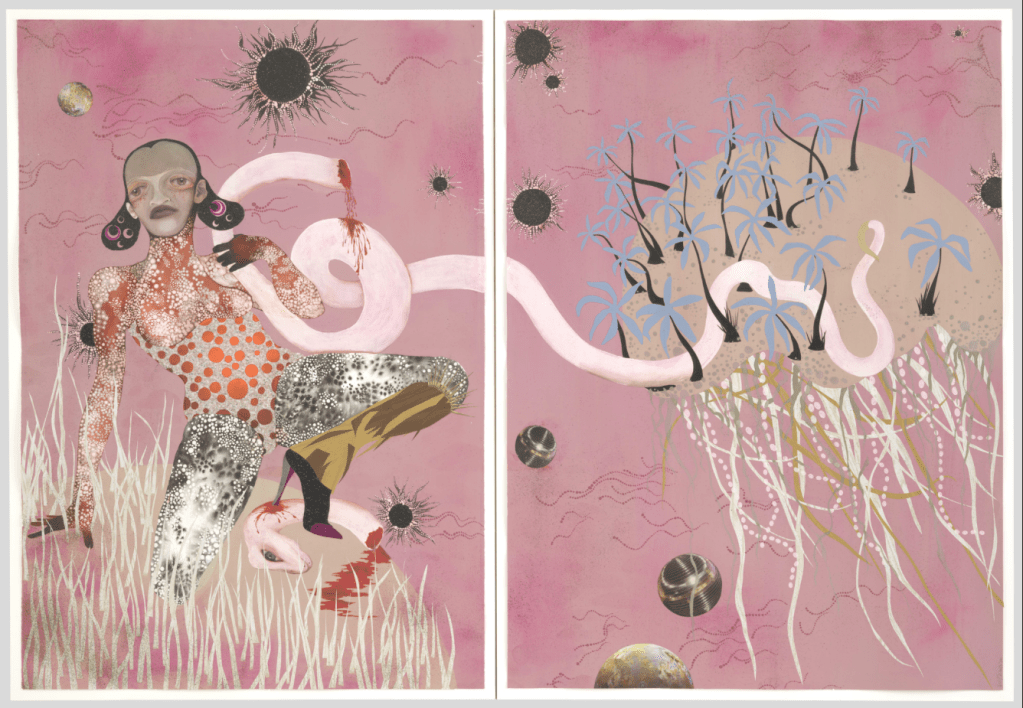
Leo’s Awakening
Leo first heard of Dodgezempic over dinner with his father. It was held at a chic rooftop bistro, the hum of the city below blending with faint jazz playing overhead. His father, a man of sharp suits and sharper ambitions, casually mentioned his company’s role in funding the drug.
“It’s a breakthrough” his father had said, setting down his espresso. “Imagine what this could mean for people like Margot”.
Leo froze. He glanced at his father, who smiled as though he had just announced a philanthropic endeavour. Margot didn’t need breakthrough, Leo thought. She isn’t broken.
Still, he said nothing.
The following week, Leo took Margot to her favourite park bench overlooking the trains. As she sketched, a stranger approached them. “It’s wonderful” the man said warmly “that there’s a cure now for people like her”.
Margot frowned, clutching her Harley Quinn jacket tighter. “I don’t want to be cured” she said softly.
The words lingered in Leo’s mind long after they left the cafe. That night, he stood in his penthouse, staring out at the city lights. His father’s words replayed in his head, clashing with Margot’s quiet defiance. Why do I need to be fixed?
The next morning, he called his father. The conversation was brief but heated.
“You don’t understand the impact this could have” his father said. “We’re giving people a chance at a normal life”.
“Normal for who?” Leo snapped. “Margot isn’t asking for your pity or your cure. She’s asking to be left alone.”
But his father was unmoved. “You’re too emotional about this.”
The dismissal stung, but it also ignited something in Leo. He couldn’t change his father’s mind, but he could use his privilege to amplify Margot’s voice.
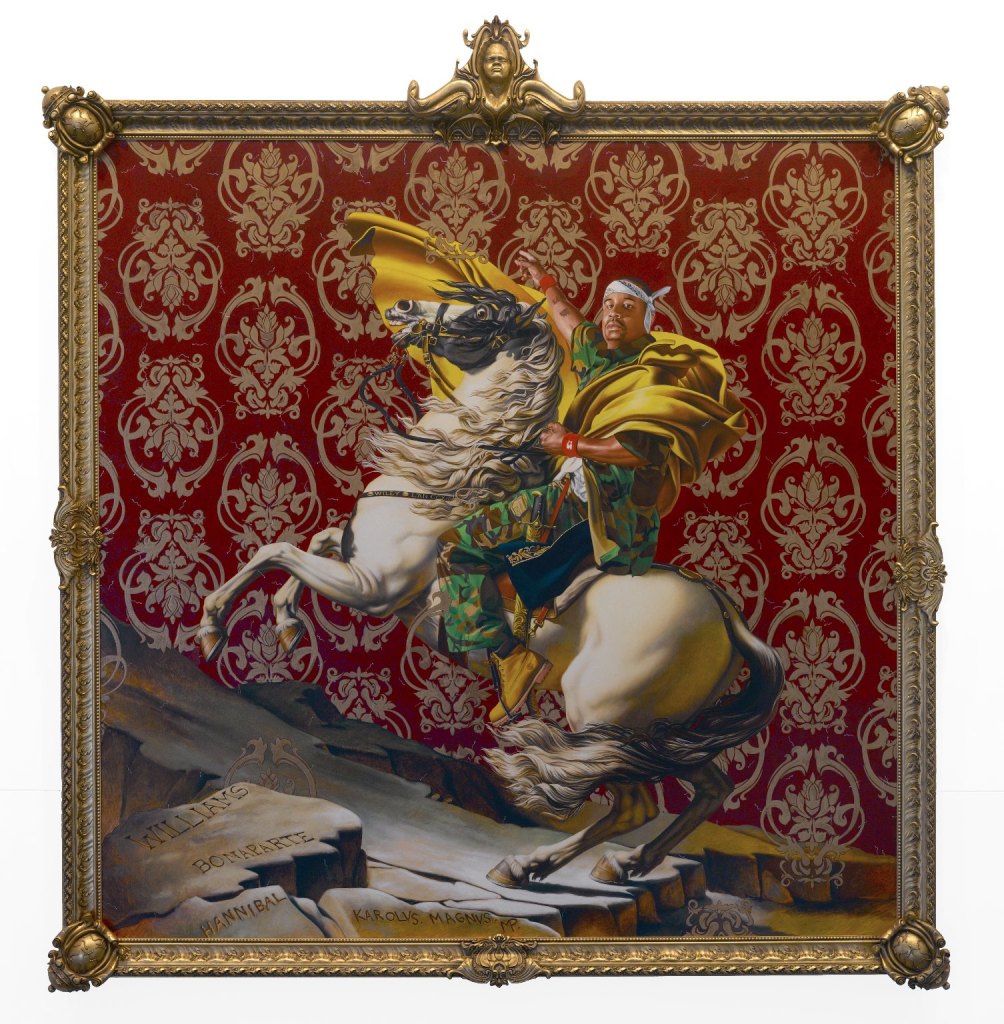
Napoleon Leading the Army Over the Alps (2005)
The Campaign Begins
Leo started small, planting questions in boardrooms and among policymakers. But the heart of the campaign came from Margot herself. He spent hours curating a video that showcased her joy: Margot naming trains with the precision of a historian, twirling in her Harley Quinn jacket in the living room, and sketching designs at the park. The purple teardrop she painted under her eyelid was a constant in every frame, a quiet but powerful symbol of her individuality.
As he reviewed the footage, Leo couldn’t stop focusing on the teardrop. It stood out like a badge of honour; a subtle but defiant statement of identity. He decided to make it the visual heart of the campaign.
The video ended with a close-up of Margot’s smiling face, the purple teardrop gleaming under her eye as the words appeared:
“Not Broken. Just Me.”
The video went viral within days. The hashtag #NotBroken trended worldwide, sparking debates about neurodiversity and the ethics of Dodgezempic. People began sharing photos of themselves with teardrops painted under their eyes in solidarity with Margot’s story. Some chose purple, others bright colours, each one putting their own spin on the symbol.
A young boy with Down syndrome painted a green teardrop and smiled in the camera. “I like being me too!” he said, his mother posting the video with the caption: “We don’t need fixing. #NotBroken.”
A Harley Moment
One afternoon, Margot burst into Leo’s study, her face glowing. She held up a painting she had made of Harley Quinn riding a train, waving at Margot. Harley, too, had a purple teardrop under her eye.
“She’s just like me!” Margot explained. “People think she’s a bad guy, but she’s really a good guy. She doesn’t like being told what to do”.
Leo smiled, his chest tightening with pride. Margot had unknowingly captured the heart of their fight. Harley Quinn’s misunderstood rebellion became their rallying cry.
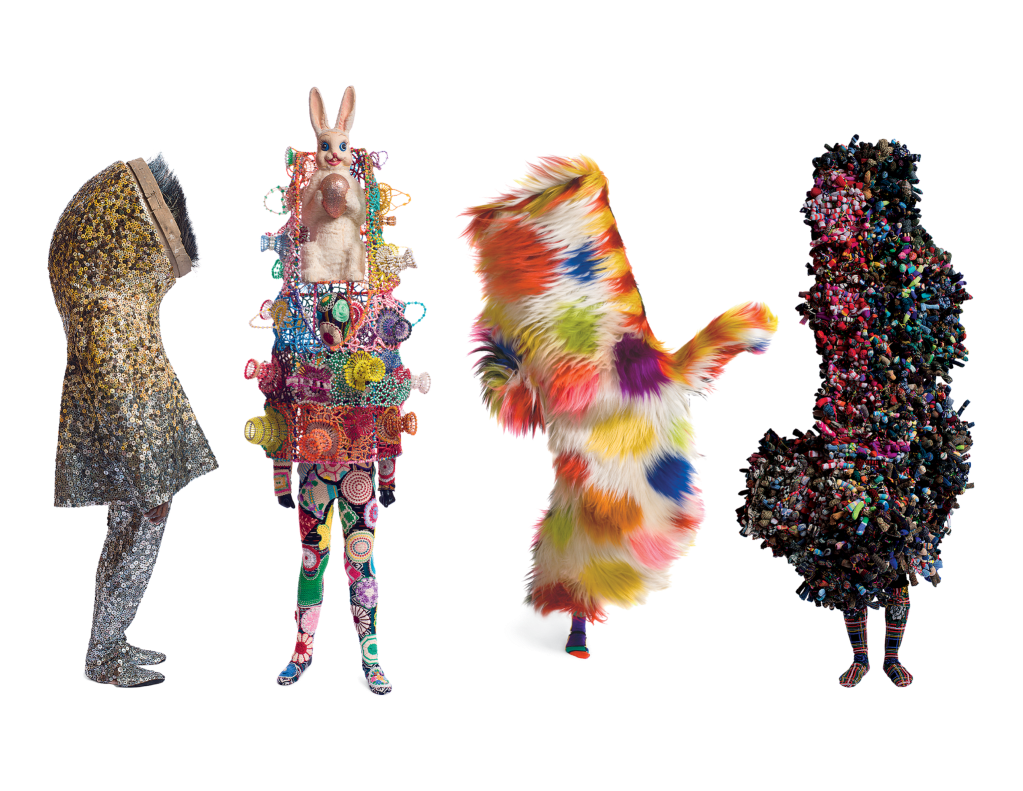
Soundsuit
Tracks of Triumph
At the press event a month later, supporters filled the room, each one with a teardrop painted under their eye. Some were purple, others pink, blue, or gold. Behind Margot stood a mural of cascading teardrops, each one unique, symbolising the diversity of the movement.
Margot fidgeted with her ear protectors as the cameras flashed. A journalist asked her how she felt about the campaign’s success. She hesitated for a moment, then touched the purple teardrop under her eye.
“I like being me” she said, her voice clear. “And I think Harley would be proud”.
As they left the press event, Margot spotted a train in the distance and tugged at Leo’s hand.
“C’mon Harley” she said, laughing. “Let’s ride.”
–
How can we embrace the differences that make people special?
–
Copyright Notice:
Fixing Tracks That Aren’t Broken © 2024 Victoria’s Bubble Blog. All rights reserved. No part of this publication may be reproduced, distributed, or transmitted in any form without the prior written permission of the author.

 🌹Bubble Blog