
Setting the Stage
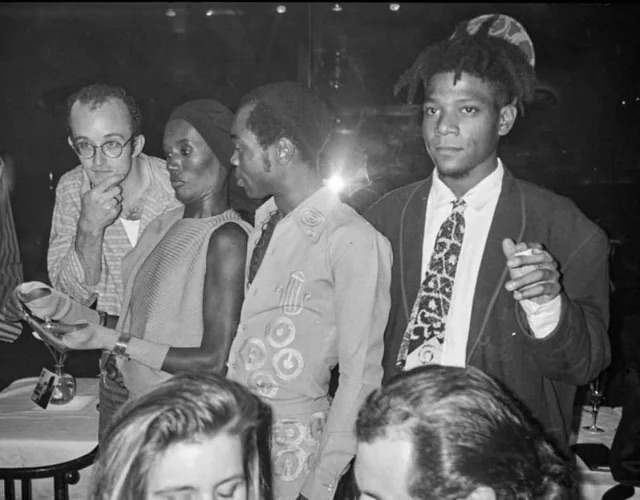
In the heart of Berlin, a city defined by its raw creativity and restless energy, two unconventional individuals joined forces to reshape the cultural landscape. Ethan Vale, a curator turned cultural strategist, believed in the transformative power of beauty and influence. He saw the world through a Platonic lens, where ideals and perfection reigned, and art was a tool to elevate society.
Amara Cole, his partner in the venture, was a sharp eyed pragmatist who believed in grounding art in truth. A devotee of Stoicism, Amara valued complexity, resilience, and the untold stories woven into each piece of work. For her, art wasn’t about pleasing the masses; it was about reflection, meaning, and unvarnished honesty.
Together, they founded LOCUS, an avant-garde gallery that initially promised to celebrate both visionaries and unsung talent. But as their gallery gained traction, their contrasting philosophies began to pull them in different directions.
The Flashpoint
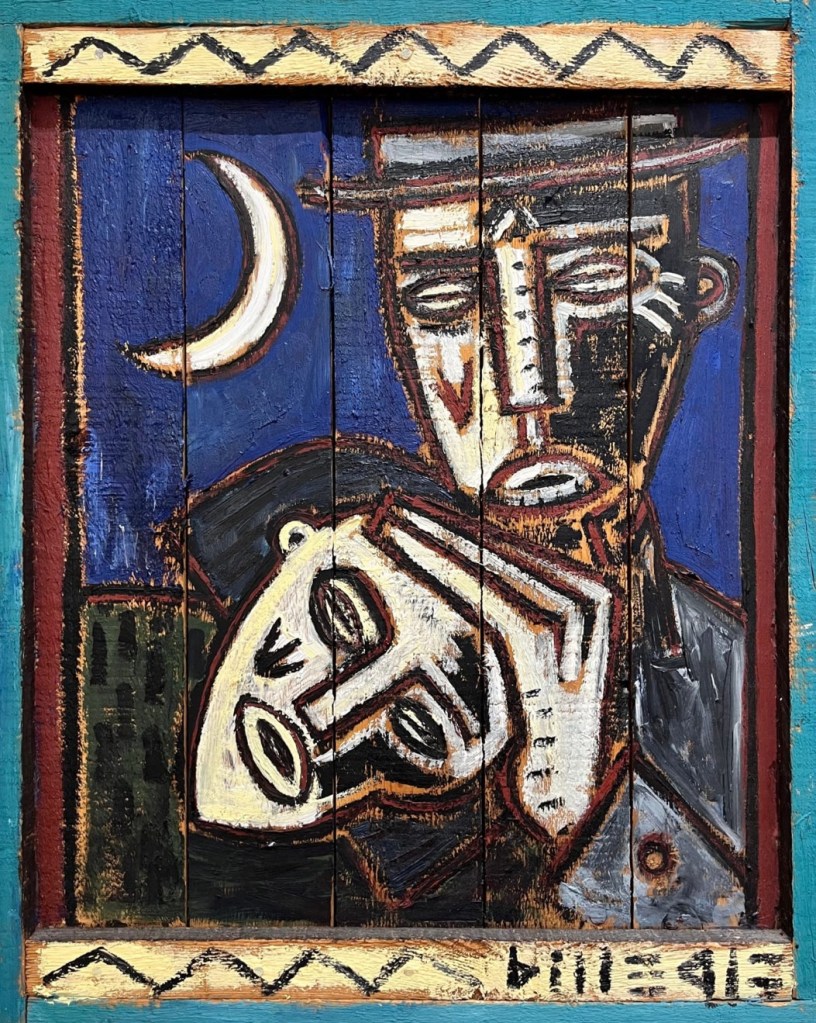
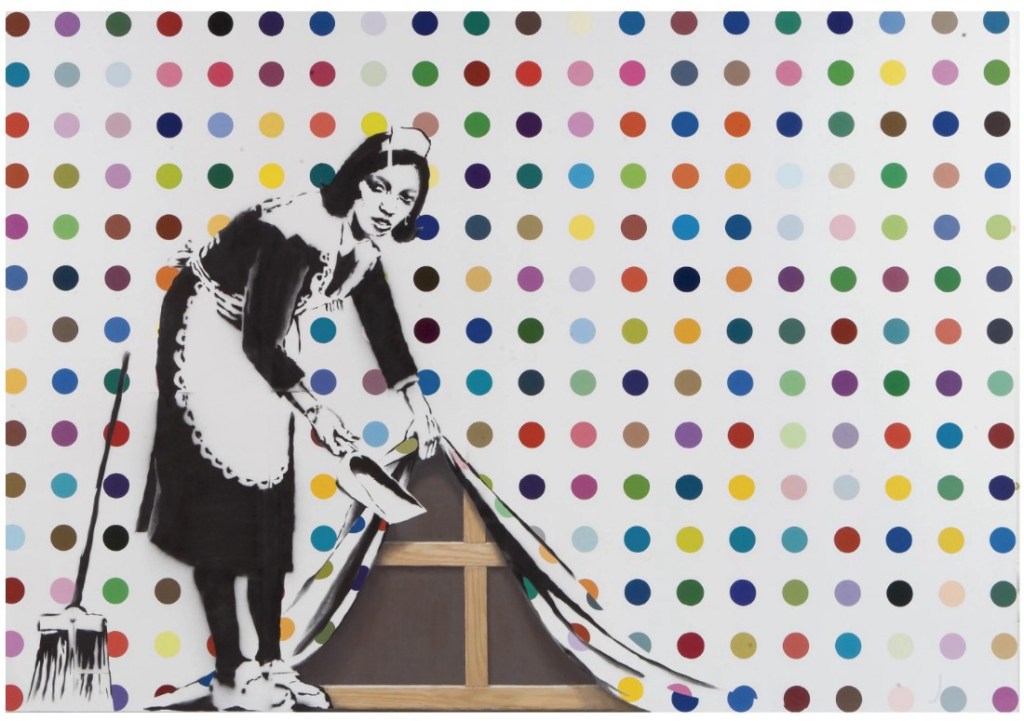
The fracture began with Vivienne Lark, an artist Ethan described as “the future of LOCUS.” A self-made influencer with millions of followers, Vivienne’s pastel-hued installations and pop-culture motifs were already a sensation online. To Ethan, she was perfect: magnetic, marketable, and modern.
“She’s exactly what we need, Ethan said, pushing her portfolio across the table. “Vivienne is the zeitgeist-marketable, margnetic and modern.”
Amara’s gaze flickered briefly over the images before the file snapped shut beneath her hand. Polished veneers, saccharine palettes, the hollow glow of mass appeal. There was nothing to unearth, no narrative that dared to linger in discomfort. “She’s a trend, Ethan” Amara said coolly. “And trends are as fleeting as the applause they draw”.
Ethan leaned back in his chair, his expression tinged with frustration. “Sometimes, Amara, relevance is the truth. We’re not immune to the forces shaping the world. Neo-liberalism has commodified everything! Including art. Vivienne’s success reflects that reality, whether we like it or not”.
Amara’s voice remained steady, her words deliberate. “Neo-liberalism commodifies art because people let it. Artists like Temi remind us that we have a choice… to create work that disrupts the system instead of playing into it”
The Sculptor
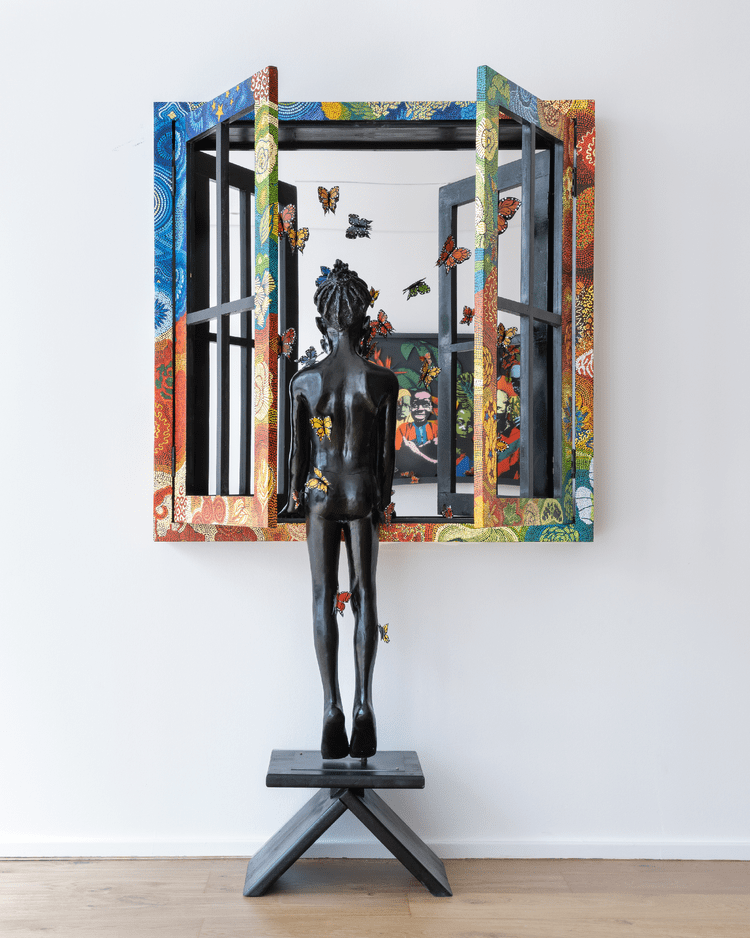
Her chosen artist was Temi Adeyemi, a young sculptor whose work explored Yoruba mythology, particularly the goddess Oshun, the embodiment of love, beauty, and power. Temi’s pieces shimmered with bronze and gold, capturing Oshun’s duality: soft yet unyielding, nurturing yet disruptive.
At the centre of the collection was ‘The Whole Woman’, a towering sculpture that demanded to be seen. It was a declaration, fierce and unapologetic: a woman in full possession of her power. With flowing lines and golden accents that caught the light like fire, it spoke to those willing to see themselves clearly… and terrified anyone who wasn’t.
“When you stand before her,” Amara told a journalist, “you feel seen. And if you’re not aligned with the truth of who you are, it’s a very uncomfortable feeling.”
The collection drew a quieter crowd than Vivienne’s show, but they didn’t just pass through. They lingered. They returned.
The Breaking Point
Their partnership cracked open after Vivienne’s second show: a sprawling installation that mimicked a digital wonderland. The gallery’s profile soared. Donors came flooding in. Ethan basked in the praise, confident he’d solidified LOCUS as a cultural hub.
Amara, however, felt like the soul of the gallery was slipping away.
“It’s not about the work anymore” Amara said one evening as they closed up. “It’s about what looks good on a screen. Do you even care if this has meaning?”
“It does have meaning” Ethan countered. “It reflects the world we live in now. Neo-liberalism isn’t going anywhere, Amara. It’s the system we operate in, whether we like it or not. Vivienne is connecting with people in a way that Temi never could.”
Amara’s jaw tightened. “You’re confusing relevance with value. You sound like you’re critiquing the system while using it to your advantage.”
Ethan sighed, his patience thinning. “If I don’t use it, someone else will. The gallery has to thrive in the world as it is… not as we wish it to be. The world has moved forward, Amara. Maybe it’s time you do too.”
Amara’s reply came calmly but with finality. “And maybe it’s time you remember why we started this in the first place. Not everything worth celebrating is shiny or new”.
The Parting
The divide grew too wide to bridge. Ethan doubled down on Vivienne and artists like her, rebranding LOCUS as a gallery for ‘the new avant-garde’. Bold, glamorous, and marketable. He hosted lavish events that brought in staggering revenue, turning LOCUS into a cultural powerhouse.
Amara left soon after. She used her share of the profits to found GRIT, a gallery focused on artists with layered, meaningful work. Among her first signings was Temi Adeyemi, whose sculptural explorations of Yoruba mythology gained increasing attention. Temi’s breakout show at GRIT became a cultural moment, leading to her being signed by GARGOYLESIAN, one of the most prestigious galleries in the world.
In an interview with Art Review, Temi reflected on her success. “Amara didn’t just see my work, she saw me. She reminded me that my story, my roots, and my power matter. That’s the kind of guidance every artist needs.”
The Legacy
Years later, Ethan and Amara crossed paths at an international art fair. Ethan’s booth gleamed with Vivienne’s latest work: vibrant, sleek installations that photographed beautifully and drew a constant stream of influencers and collectors. Amara’s space was quieter but magnetic, showcasing Temi Adeyemi’s latest piece: a towering bronze and gold sculpture titled ‘Ebb and Flow’ inspired by Oshun’s rivers and the eternal dance of self-worth.
Ethan approached her booth, his usual polished confidence intact. He glanced at Temi’s work, golden and flowing, and a flicker of admiration crossed his face.
“You always did have an eye for depth” he said quietly.
Amara nodded, a faint smile playing at her lips. Her gaze flicked to his booth, where Vivienne’s glowing installations hummed with activity. “And you for ideals.”
For a brief moment, they stood as they had at the beginning of their journey: two opposing forces with their own truths. Ethan believed in the world of ideals, chasing visions of perfection that shimmered just out of reach. Amara grounded herself in resilience and imperfection, finding beauty in what endured.
Neither said another word. Ethan returned to his bustling booth, where champagne flutes clinked and cameras flashed. Amara lingered by ‘Ebb and Flow’, her legacy reflected in the quiet strength of the sculpture.
In the end, both left their mark: one on the shimmering surface, the other in the enduring depths.
–
Art connects us in ways words often cannot. But what happens when the connection is superficial? Are we drawn to the art itself or the idea of who the artist appears to be?
–
Copyright Notice
The Aesthetes: A Fractured Philosophy © 2024 Victoria’s Bubble Blog. All rights reserved. This story is a work of fiction. No part may be reproduced or used without permission.

 🌹Bubble Blog